Pairings · dessert
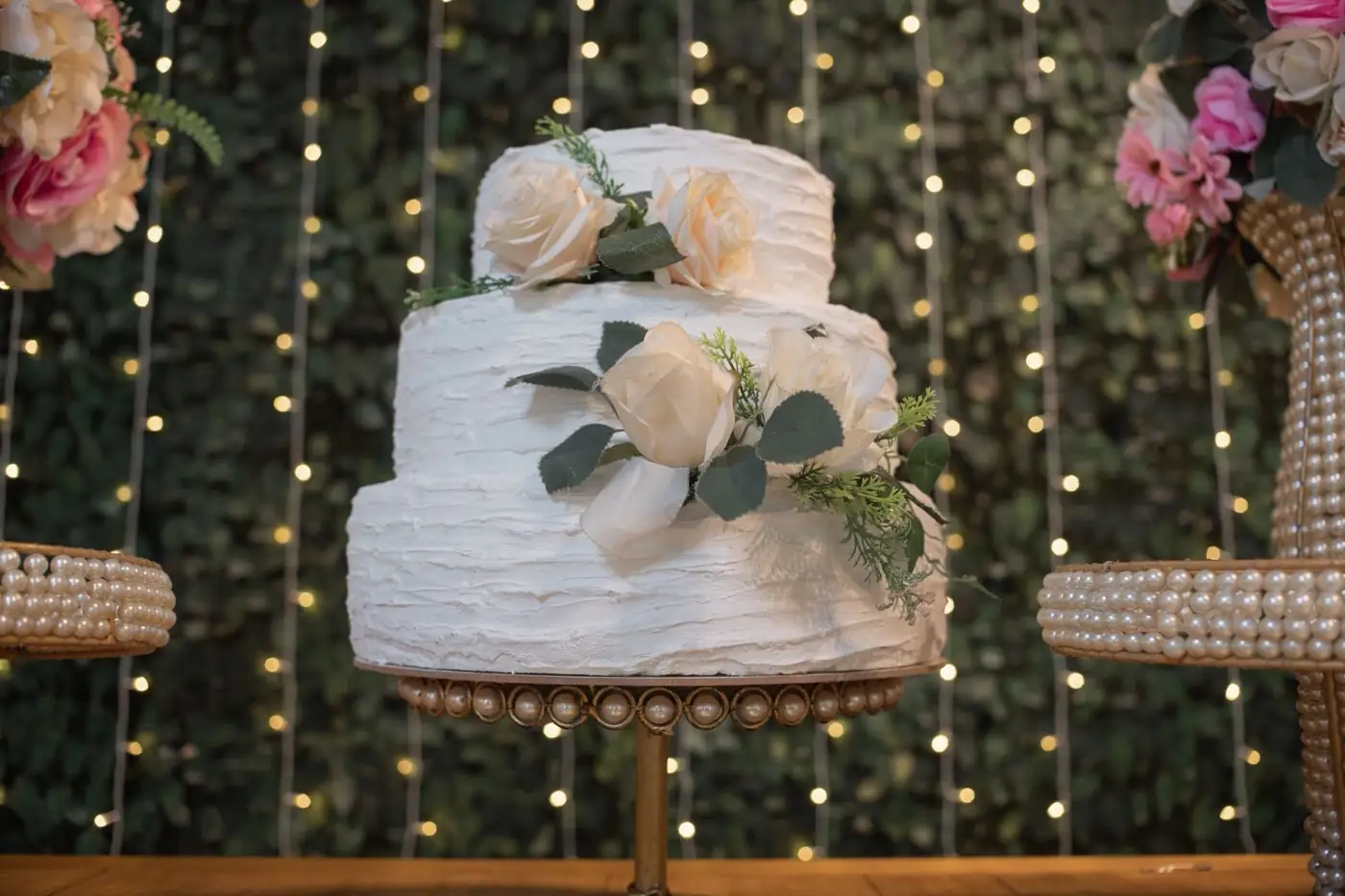
What wine with dessert and the wedding cake?
Against sugar, the red from the main course turns bitter and thin: that is the one rule with no exceptions for this course. Dessert calls for sparkling, or a small pour of Sauternes, or nothing at all. The calculator below places dessert in the menu; the page then says what to serve with a croquembouche (the French wedding cake), a Yule log or a tart, and how many bottles for a hundred guests.
Dessert in your menu
The default menu is a classic wedding menu, croquembouche included. Try chocolate, fruit or Yule log: the suggested wine changes, and the share of sparkling with it.
Croquembouche, Yule log, chocolate, fruit: what works, what doesn't
Croquembouche, Yule log
Choux, cream, caramel: sparkling cleans the palate and marks the moment. Champagne for tradition, crémant de Bordeaux on request for the budget. Served at 6 or 8 °C, opened as the cake comes in.
Chocolate
The hardest dessert. A young Sauternes works with milk chocolate or a fondant; with intense dark chocolate, nothing really works and water or coffee do better. Don't force the pairing.
Fruit, tart, sorbet
Freshness against freshness: sparkling, or a three- to five-year-old Sauternes that is still lively. With a sorbet, nothing: the cold numbs the wine.
Why never red with sugar
A dry wine always seems more acidic and more tannic than it is when you drink it after a sweet mouthful: the sugar in the dessert resets the palate, and the red from the main course, which was round with the meat, suddenly becomes green and short. It is mechanical, and it applies to the best Pauillac. The only way to serve a wine with dessert is for it to be at least as sweet as the dessert, which brings you back to Sauternes, or for it to be sparkling and cold, which brings you back to sparkling.
The practical consequence is simple: clear the red wine glasses before dessert, or leave them empty. Guests who insist on finishing their red will finish it with the cheese. And if the budget doesn't allow sparkling for everyone at dessert, it is better to serve nothing than to serve the red from the main course: the coffee comes straight after.
How many bottles for dessert for a hundred guests
One flute per person when the cake arrives, six flutes per bottle: that is the toast calculation, and it doesn't count the share of drinkers, because everyone holds out their flute when the croquembouche arrives. Sauternes is served smaller, in a liqueur glass: one half-bottle for eight.
| Dessert | Guests | To plan | Note |
|---|---|---|---|
| Croquembouche, sparkling | 100 | 17 to 18 bottles | Three cases of six. If the sparkling carries on into the evening, the wedding champagne page gives the total. |
| Yule log, sparkling | 12 | 2 bottles | One for the toast, one for those who want more. Your local wine shop is enough. |
| Chocolate or blue cheese, Sauternes | 100 | 12 to 13 half-bottles | Two cases of six halves. The same wine may have been served with the cheese just before. |
What wine with a croquembouche?
Sparkling: champagne, or crémant de Bordeaux on request, served cold as the cake comes in. One flute per guest, or one bottle for six, three cases for a hundred people. The croquembouche is the dinner's toast, so treat it as one.
Can you serve the main-course red with dessert?
No. Sugar makes any dry red bitter and thin, even the best. Clear the red glasses or leave them, and serve sparkling, a Sauternes, or nothing at all before the coffee.
Champagne or crémant with dessert?
At this point in the evening, after two hours of eating, the difference shows on the bill more than in the flute. Champagne remains the wedding benchmark; crémant de Bordeaux, which we supply on request, halves or thirds the cost over the three cases for dessert.
What wine with a chocolate dessert?
A young Sauternes with milk chocolate or a fondant, nothing with intense dark chocolate: it is the pairing even sommeliers give up on. The Sauternes from the cheese course can carry on into dessert if the menu includes a blue cheese, and the pairing guide puts dessert back into the full wine line-up.