Bordeaux · the smart buy
Second wine of a great château: the big name at a third of the price
Almost every Bordeaux classified growth makes a second wine: same estate, same team, same cellar, younger vines and lots not kept for the first wine. It costs two to three times less. For a hundred guests, it's often the best bottle the budget allows. For a gift of six bottles, it isn't the right answer.
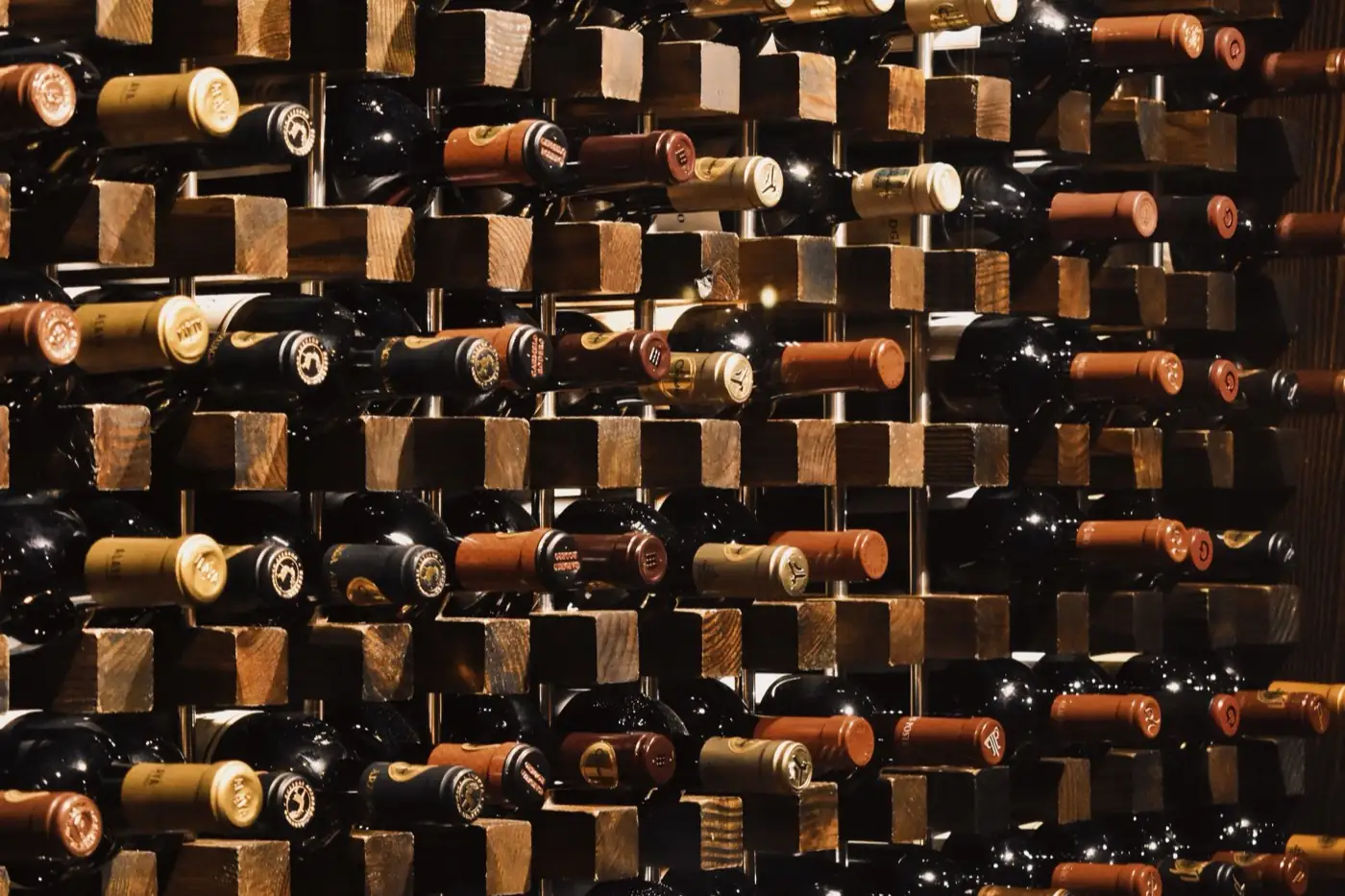
What a second wine is, without the romance
A classified château makes wine from all its plots separately, then tastes vat by vat. The best go into the grand vin. The others, from vines under fifteen years old or less well-exposed plots, or simply of a softer style, go into the second wine. Same harvest, same team, same barrels, often on their second use. You can taste the difference: less depth, less ageing potential. Above all, you pay for it: the second wine of a Pauillac classified growth sells for €25 to €45 when the first is over €120.
Some châteaux have a third wine, simpler still. And many crus bourgeois, which are not classified, also make a second wine, at around €10. The logic is the same at every level. For example: Château Talbot, with its second wine and its white, vintage by vintage, or Château Lagrange and its Fiefs, Branaire-Ducru and its Duluc.
The grand vin
- The best plots, old vines
- Twenty years of ageing and more
- The full name on the label
- Drunk seated, in silence
The second wine
- Same terroir, younger vines
- Ready at five years, good until twelve
- The château's name in small print, another name in large
- Drunk at the table, while talking
The second wine of a cru bourgeois
- An honest, supple Médoc
- To drink within five years
- No fame, no fault
- The wine for a drinks reception or a party
When it's the smart buy, and when it isn't
How it reads on the table
On the menu or table card, write the appellation, the name of the second wine, the vintage, and nothing else. Those who know will recognise the château behind it; those who don't will read “Pauillac 2018” and be happy. Don't write “second wine of”: it's true, but it isn't a selling point at the table.
On this page, no château is named: the list changes with the stock and the vintages, and a page quoting a name that can no longer be supplied is lying the next day. On the quote, the names are written out in full, with the vintage and the price per case, and you choose. The which Bordeaux for a wedding page gives the framework by appellation, the budget per head page what it changes to the total.
Is a second wine a lower-quality wine?
It's a wine with less depth and less made for ageing, not a faulty wine. It comes out of the same cellar as the first, under the same responsibility. Many second wines from 2016 to 2020 are better than the first wines of modest châteaux at the same price. What you lose is the length on the palate and the twenty years in the cellar.
How much does the second wine of a grand cru classé cost?
Between €25 and €60 a bottle for the second wines of Médoc and Saint-Émilion classified growths, in vintages that are ready to drink, as of September 2026. The second wines of the first growths are over €100 and fall outside the logic of this page. The sliding price per case applies on the quote.
For a wedding, second wine for the whole meal or for the main course only?
With the main course, the second wine of a classified growth; with the cheese, a Saint-Émilion or a satellite appellation at €15; at the drinks reception, none of that. Concentrating the budget on the moment when people actually taste is the general rule of the wedding wine page, and the second wine is its best application.
Does the château mind its second wine being served at an event?
Of course not: that's what it bottled it for. The second wine exists precisely to be drunk young, in quantity, at tables where the first would be out of place. No permission, no mandatory wording.